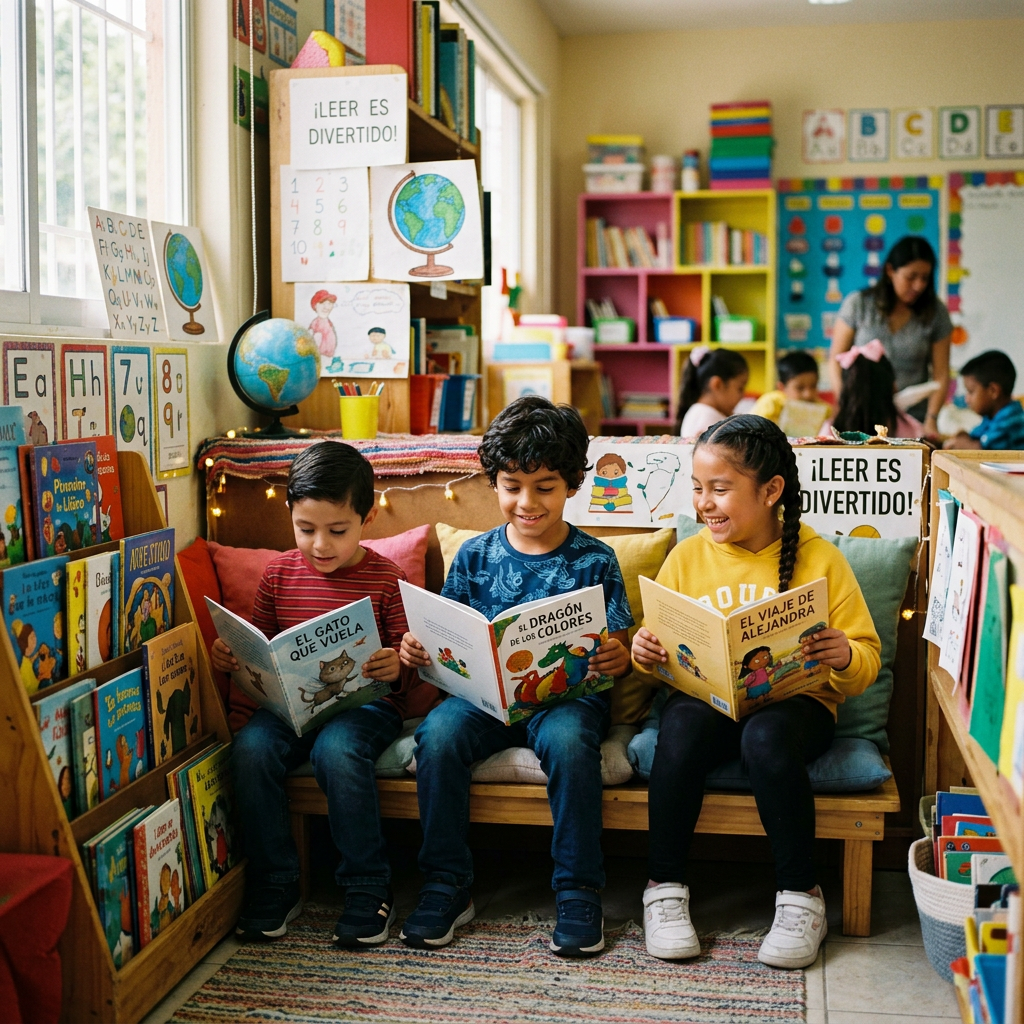
Children’s literature plays an important role in enriching educational programs and supporting children’s intellectual, emotional, linguistic, and social development. Despite significant advances in the production of high-quality, authentic, and beautifully illustrated books, an important gap remains in literature that meaningfully reflects the experiences of culturally and linguistically diverse learners. Culturally responsive children’s literature can move beyond imagination and wonder to address identity, belonging, cultural continuity, social-emotional learning, and the development of critical thought through transformative classroom dialogue. The stories created through the Fable Writing Project demonstrate how children’s literature can become a powerful tool for connecting personal experience, cultural knowledge, and enduring life lessons. Building on that work, The Little Butterfly’s Reflection / El espejo de la pequeña mariposa (a bilingual story) and El último verano con Abuelita: Los dichos que me enseñó offer complementary narratives centered on self-discovery, friendship, family, language, memory, and cultural continuity.
El espejo de la pequeña mariposa / The Little Butterfly’s Reflection
This bilingual story follows a young caterpillar who transforms into a butterfly and begins exploring her colorful new world. Although she enjoys flying through the garden and feeding on flowers, she struggles to make friends. When the animals she approaches prefer their existing companions, the butterfly becomes lonely and begins to doubt her own worth. She flies away feeling hurt and angry, but then, she discovers her reflection in a peaceful lake and recognizes her unique beauty. Her journey may especially resonate in multiculturalism, where children navigating bilingual/ bicultural identities may also experience uncertainty about belonging. Through self-acceptance, she learns that embracing her individuality can deepen her understanding of identity, culture, and belonging while opening the way to meaningful, nurturing friendships. The following excerpt provides a sample of the text and illustrations.
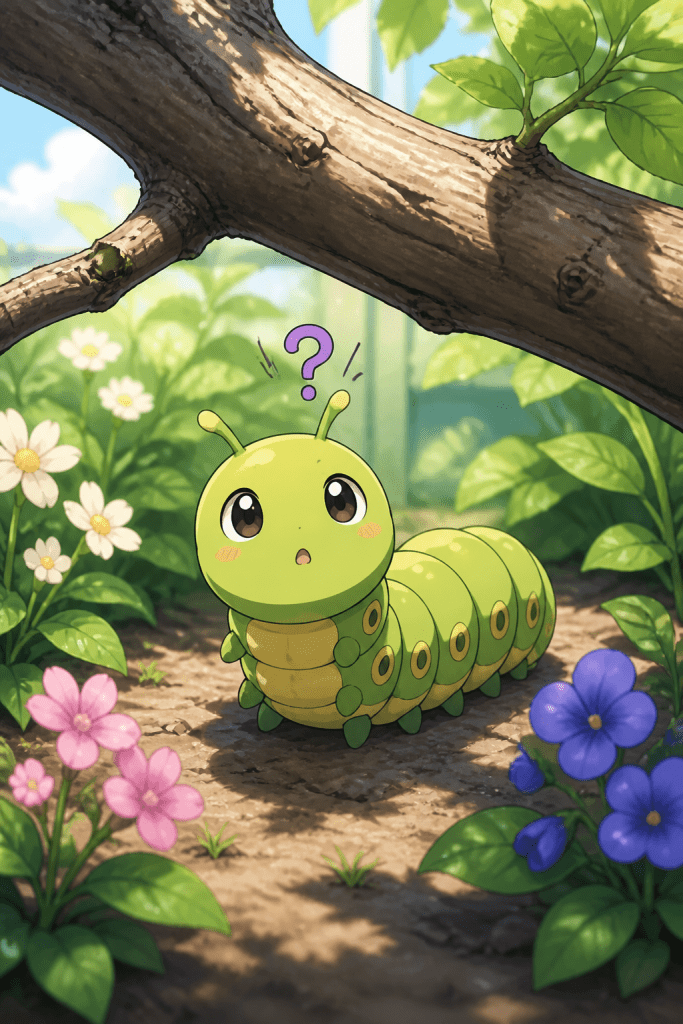
Había una vez una oruga que cayó desde lo más alto de un árbol. Rápidament, comenzó a buscar algunas hojas para comer.
Once upon a time, there was a caterpillar that fell from the very top of a tree. She quickly began to look for some chewy leaves to munch on.
La oruga pronto creció hasta volverse muy grande y robusta. Era tan grande que apenas podía moverse. Entonces, un día decidió descansar sobre una hoja oculta entro los arbolitos, lejos de los ruidos y peligros como los de las ardillas, los pájaros y las cigarras. Al poco tiempo sintió mucho sueño y se echó una larga siesta.
The little caterpillar soon grew to become very large and robust. She was so large that she could hardly move anymore. Then one day, she decided to take a break on a leaf hidden inside a bush, away from the noises and dangers of squirrels, birds, and cicadas. She soon became very sleepy and took a long nap.
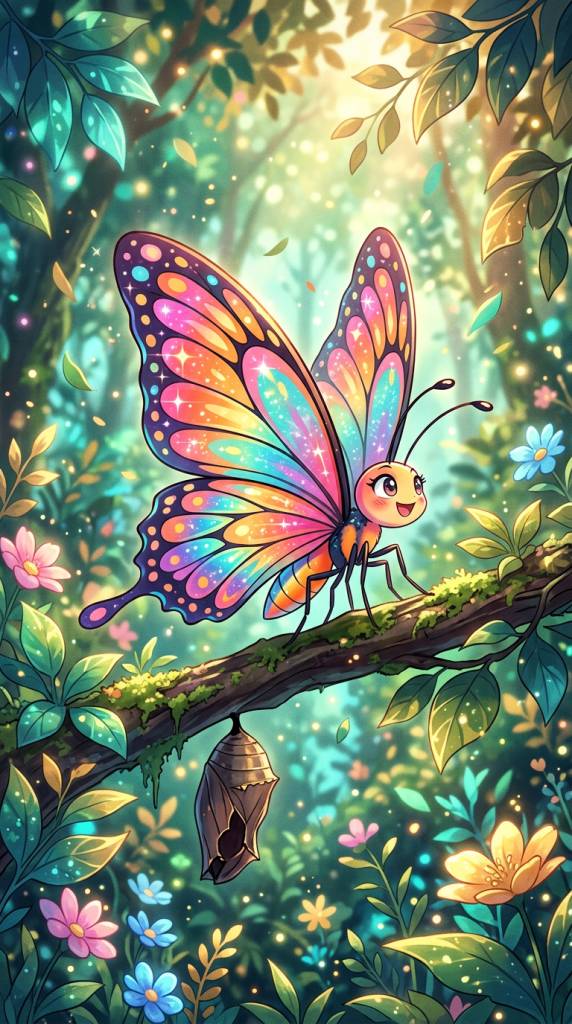
De repente, la oruga, antes gordita y arrugadita, se había transformado en mariposa. Y ahora la pequeña mariposa veía al mundo brillante y con una belleza extraordinaria.
Suddenly, the once plump, wrinkled caterpillar, had transformed into a butterfly. And now, the little butterfly saw a brilliant world of extraordinary beauty.
Cuando se dio cuenta que necesitaba buscar alimento, notó algo colorido cercano. Al acercarse vio que era un lirio amarillo. Inmediatamente supo que podría beber su néctar. De allí en adelante, la mariposa voló de flor a flor, de una caléndula a una petunia, a la impaciente, a la celosía, a la gloria de mañana, a la rosa y a la margarita. De cada una bebía su néctar dulce y deliciosa.
When she realized that she needed something to eat, she noticed something colorful nearby. Upon getting closer, the butterfly saw that it was a daylily. She immediately knew that she could drink its nectar. From then on, the little butterfly flew from flower to flower–from a marigold to a petunia, to an impatiens, a celosia, a morning glory, a rose, and a daisy, From each one, the little butterfly drank its sweet, delicious nectar.
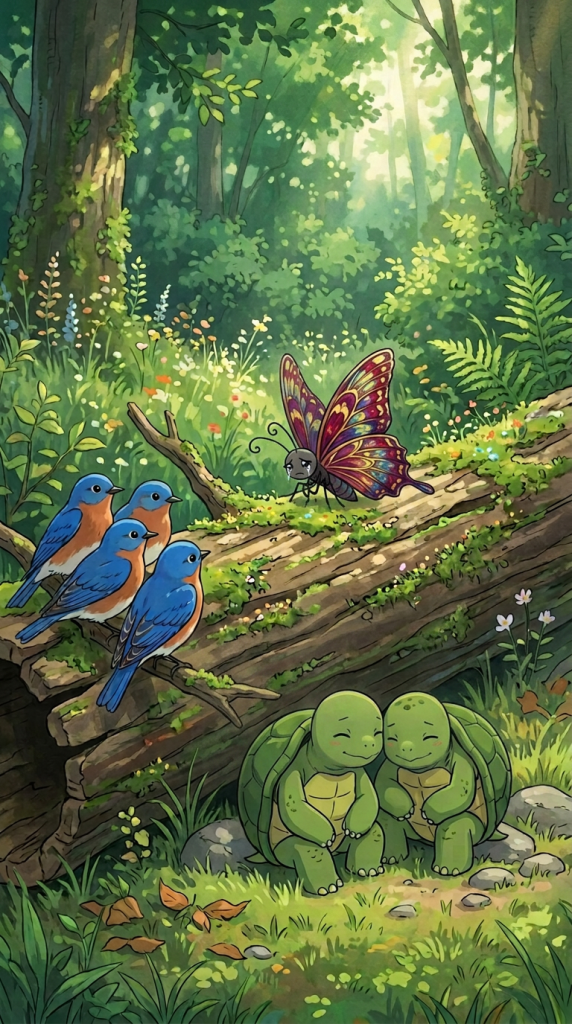
A la pequeña mariposa también le gustaba jugar al escondite, pero se sentía sola, sin compañeros de juego. Buscó por todos los lados del jardín hasta que se encontró con el Sr. Pájaro Azulejo. Sin embargo, el Sr. Pájaro Azulejo no parecía interesado en la mariposa, pues ya tenía muchos amigos. Luego, fue a visitar a una tortuguita, pero ella ya tenía amigas tortugas con quien jugar.
La pequeña mariposa pronto se puso muy triste al no encontrar ningún amigo nuevo. Empezó a pensar que algo andaba mal en ella, que era demasiado fea, que sus alas eran demasiado grandes y que su cuerpo era demasiado pequeño y demasiado amarillado.
The little butterfly also liked to play hide and seek, but she felt lonely without any playmates. Searching in her garden she met Mr. Blue Bird. However, he didn’t seem interested in the butterfly, as he already had plenty of bird friends. Then she went to visit the little turtle, but she had turtle friends to play with. The little butterfly soon grew very sad at not finding anyone to play with. She began to think that there was something wrong with her. She thought she was too ugly and that her wings were too big and that her body was too small and too yellow.
What would you say to the little butterfly? / ¿Qué le dirías a la pequeña mariposa?
El último verano con Abuelita: los dichos que me enseñó
Every summer, eight-year-old Esmeralda eagerly visits her grandmother’s home in Mexico. This year, after much pleading, she is allowed to stay for the entire summer with Abuelita and her cousins. Amid family adventures and childish mischief, Esmeralda receives frequent reminders from her grandmother, who seems to have a dicho—or proverb—for every situation. Although Abuelita sometimes uses these sayings to discipline Esmeralda and her cousins, her words are always guided by affection, wisdom, and compassion. As the summer unfolds, Esmeralda begins to understand the deeper meaning of the dichos. Their lessons strengthen her confidence, resilience, and connection to her family, language, and cultural heritage. The following excerpt provides an example of the text and illustration.
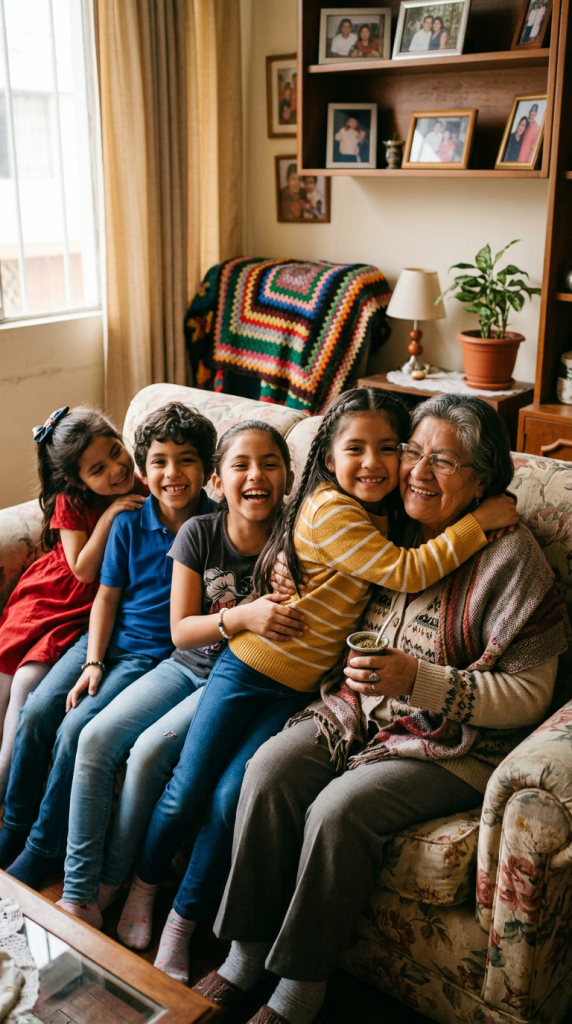
Los tiempos más agradables y memorables de mi niñez fueron durante los tres veranos que pasé con Abuelita en México. Me acuerdo que al terminar la escuela y en el inicio de las vacaciones, mi familia y yo viajábamos a Nuevo Laredo, en donde nació mi mamá y vivían mi abuela, mis primos y tíos.
Como papá tenía que volver al trabajo, solo pudimos quedarnos tres días. Siempre les pedía a mis padres que me dejan quedarme con Abuelita todo el verano, pero ellos me decían: “No, Esmie, todavía eres demasiado pequeña.” Pero finalmente, a los ocho años, me dieron permiso para quedarme con ella casi los tres meses.
Hace muchos años desde la muerte de Abuelita, pero aún la recuerdo como si estuviera aquí conmigo. Su dulce forma de hablar, su vestido sencillo, sus aretes de oro y la medalla de la Virgen de Guadalupe–que siempre, siempre llevaba puesta–. Y ese aroma tan fresco que desprendía cada vez que me abrazaba, y su sabiduría infinita. El último verano que pasé con ella cambió mi vida para siempre. Ella me enseñó a bordar, a cocinar sus platos favoritos, a cuidar las plantas … ¡válgame! Tenía muchísimas plantas. Pero lo que mejor recuerdo son los dichos que me enseñó. Aunque conocían los dichos, nunca les presté atención hasta que se los escuché a Abuelita.
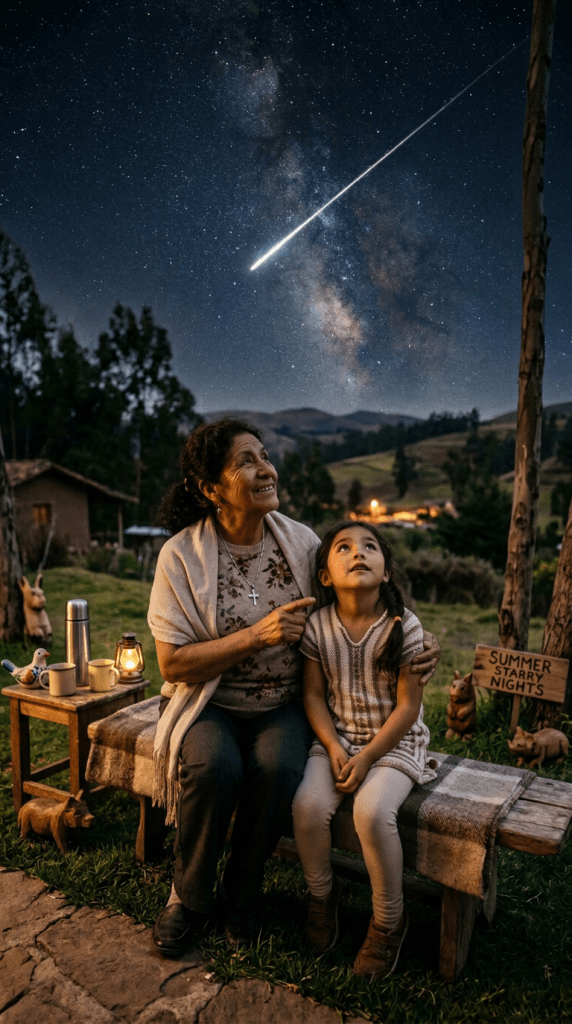
Por la noche, después de cenar, todos sacábamos nuestras sillas y nos sentábamos en el patio a disfrutar del aire fresco, charlando de cualquier cosa. Los primos, mis tíos, Abuelito y yo conversábamos durante un largo tiempo. Así era como nos entreteníamos, ya que no teníamos televisión. Siempre me sentaba junto a Abuelita. Entre una estrella fugaz y otra, le contaba los problemas que tenía en la escuela. Me consolaba con sus cuentos y chistes.
Un dicho suyo, que me recuerdo muy bien es: “Donde se cierra una puerta, se abren cien”. El entusiasmo y el amor por la vida que Abuelita me transmitió me ha dado la fuerza para seguir luchando por las cosas importantes de mi vida.


Leave a comment